
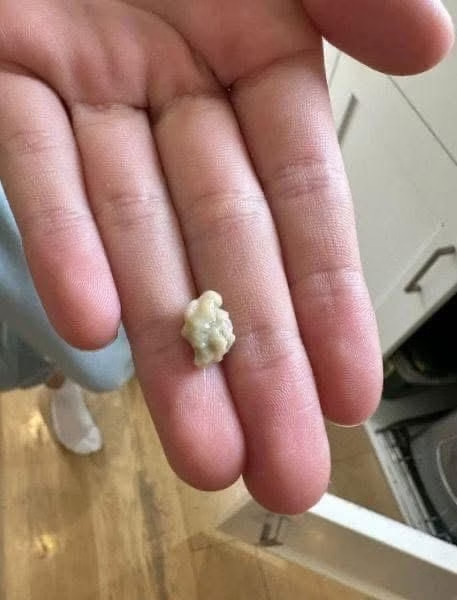
The internet, in its endless stream of content, has proven that humanity possesses a boundless fascination with the inner workings of the body. From oddly satisfying pimple extractions to detailed earwax removals, there is no shortage of videos showcasing the strange and sometimes unsettling functions of our physiology. One subject that deserves just as much attention—yet remains surprisingly misunderstood—is tonsil stones.
If you’ve never heard the medical term, tonsilloliths, you are not alone. Tonsil stones may not trend with the relentless frequency of blackhead extractions, but they are equally captivating, and for the millions who suffer from them, profoundly frustrating. This common, often-overlooked phenomenon provides a unique lens through which to appreciate the quirky complexity of the human body. Learning strange little details about the way our anatomy functions, even unpleasant ones, is a vital step toward better self-care.
So let’s break down the subject: what exactly are tonsil stones, how do they form with such consistency, and why do an estimated 3 million people in the U.S. alone deal with them every year?
I. Defining the Phenomenon: What Exactly Are Tonsil Stones?
Tonsil stones, medically known as tonsilloliths (from the Latin tonsilla for tonsil and lithos for stone), are precisely what the name suggests—tiny, hardened, calcified deposits that form on or around the tonsils.
Formation in the Crypts
The formation process is rooted in the unique anatomy of the tonsils, which are part of the body’s lymphatic system and function as the first line of defense against inhaled or ingested pathogens.
- Tonsil Anatomy: The tonsils (specifically the palatine tonsils, visible at the back of the throat) are not smooth organs. They are covered in natural folds, pockets, and deep indentations known as crypts.
- The Debris Trap: According to the Mayo Clinic, these little pockets are highly efficient collectors. They naturally trap debris, including food particles, dead epithelial cells (from the mouth and throat lining), mucus, bacteria, and even fungi.
- Calcification: Over time, particularly when oral hygiene is insufficient or when the crypts are deep, this collected buildup hardens and calcifies. Minerals present in saliva, such as calcium and phosphate, bond with the microbial and cellular debris, forming small, rock-like deposits—the tonsil stones, which are typically white or yellow in color.
Are They Dangerous?
Here is the good news, providing immediate reassurance for those who discover them: tonsil stones are usually harmless. They do not pose a direct threat to systemic health. The downside is that they can be intensely unpleasant, frustrating, and a significant source of social anxiety.
II. The Symptom Profile: Bad Breath and Discomfort
While tonsil stones often remain unnoticed, when they do present symptoms, they are usually concentrated in oral discomfort and halitosis (bad breath).
The Primary Complaint: Halitosis
The number one symptom that drives people to investigate their tonsils is persistent, aggressive bad breath that is resistant to standard brushing and mouthwash.
- Sulfur Compounds: The reason for the intense odor lies in the primary components of the stones. The trapped debris is predominantly anaerobic bacteria and proteins. As these bacteria feed on the trapped organic matter, they release volatile sulfur compounds (VSCs)—the same compounds responsible for the smell of rotten eggs or decaying matter.
- Unpleasant Taste: The sudden appearance of a metallic or foul taste in the mouth is often a sign that a stone has recently dislodged and is dissolving on the tongue.
Discomfort and Physical Sensation
Larger or frequently recurring stones can also cause noticeable physical symptoms in the throat:
- Sore Throat: Larger stones can mechanically irritate the throat lining, leading to chronic or sporadic sore throat pain.
- Difficulty Swallowing (Dysphagia): Though rare, if the stones grow significantly large, they can cause a physical obstruction, leading to difficulty or pain during swallowing.
- Foreign Body Sensation: Many sufferers report a persistent sensation of something being stuck in the throat, often triggering a persistent dry cough as the body tries to clear the obstruction.
III. Who Is Most Likely to Get Tonsil Stones? (The Risk Factors)
Tonsil stones are remarkably common, affecting millions annually. The risk is strongly linked to anatomical structure, age, and chronic health issues.
The Role of Tonsil Presence and Age
- Tonsil Presence: They are, by definition, confined to those who still have their tonsils. Tonsillectomy eliminates the tonsil crypts and thus eliminates the possibility of tonsilloliths forming.
- Adult Prevalence: Tonsil stones tend to show up more in adults than in children. One physiological reason for this is that tonsil crypts can naturally deepen and widen with age, creating more numerous and larger pockets for debris to hide and harden.
Chronic Inflammation and Sinus Issues
Individuals who suffer from recurring throat and sinus issues are at a significantly higher risk because their tonsils are constantly under stress and generating more debris.
- Recurring Tonsillitis: People who deal with recurring tonsillitis experience frequent inflammation and swelling, which can deepen the crypts and cause more cellular shedding, increasing the base level of debris available for calcification.
- Post-Nasal Drip: Chronic sinus issues often result in post-nasal drip. This mucus carries proteins, white blood cells, and bacteria from the sinuses directly to the back of the throat, where it gets trapped in the tonsil crypts, acting as prime material for stone formation.
IV. Comprehensive Management: Prevention and Safe Removal
The thought of tiny, stinky stones in your throat might sound unpleasant, but the good news is that they are highly manageable and often preventable through consistent, targeted oral care.
The Defense Protocol: Prevention
Good oral hygiene is the single most effective defense against tonsillolith formation, focusing on removing the trapped debris before it can harden.
- Brush and Floss Regularly: This is the baseline. Consistent removal of food particles and bacteria from the teeth and tongue reduces the overall microbial load entering the tonsil area.
- Use an Antibacterial Mouthwash: Rinsing helps cut down on the excess bacteria and debris circulating in the mouth and throat, reducing the primary components needed for calcification.
- Gargle with Salt Water: Warm saltwater rinses are highly effective. The gargling action helps to physically dislodge trapped debris from the shallower crypts, and the saline solution helps to reduce throat inflammation.
- Stay Hydrated: Drinking plenty of water keeps the throat clear, promotes consistent saliva production (which has natural cleansing properties), and may help flush out micro-particles before they calcify.
Removal Methods: At-Home and Medical Intervention
If tonsil stones already exist, there’s usually no need to panic—they can often be removed at home with gentle, deliberate effort.
- Saltwater Gargles: The primary at-home remedy. Warm rinses can effectively loosen smaller stones and reduce the swelling that traps them.
- Gentle Removal Tools: If the stone is clearly visible and accessible, gentle removal tools can be used. Cotton swabs or the back of a soft toothbrush can help dislodge stones with carefully applied pressure. Crucially: Never use sharp objects, fingers, or excessive force, as this can damage the tonsil tissue and cause bleeding.
- Coughing: Sometimes, the most efficient method is involuntary. A strong, deliberate cough is often enough to create the kinetic force necessary to knock stones loose.
- Medical Consultation: If stones are large, frequent, cause intense pain, or are particularly bothersome, it is essential to consult an ENT specialist (Otolaryngologist). They can safely remove deeply embedded stones.
- Tonsillectomy: In the most severe, chronic, and treatment-resistant cases, a tonsillectomy (surgical removal of the tonsils) might be recommended. This is a definitive cure, as it physically removes the crypts where the stones form.
V. The Online Fascination and Final Thoughts
Just like pimple-popping and earwax-cleaning videos, tonsil stone removals have carved out a significant, if niche, corner of the internet. Watching them being removed can be oddly satisfying—a blend of the relief of resolution and the curiosity of seeing a hidden physiological process revealed.
Beyond the viral curiosity, tonsil stones highlight the truly complex and sometimes strange engineering of the human body. The fact that tiny, defensive pockets in our throats can trap debris and turn it into calcified, stinky stones is both bizarre and oddly remarkable.
Tonsil stones may never become dinner-table conversation, but they are a surprisingly common—and often overlooked—part of human biology. While they rarely pose systemic health risks, they can certainly be uncomfortable and socially unwelcome. Luckily, they are highly manageable with proper oral care and simple remedies. The understanding that the exotically named tonsillolith is simply a localized hygiene issue empowers sufferers to take control.
⚠️ Disclaimer: This article is for general informational purposes only and is not a substitute for medical advice, diagnosis, or treatment. Always consult a healthcare provider, especially an ENT specialist, before making decisions about chronic tonsil health or treatment.


Leave a Comment